Why is my water pressure low after repiping
Low water pressure after repiping in Cleburne TX is usually trapped air, debris in the new lines, or a partially closed valve. Here's how to diagnose and fix it.
Low water pressure after repiping in Cleburne TX is almost always caused by trapped air in the new lines, construction debris lodged in aerators or valves, or a shutoff valve that was not fully reopened. The good news: none of those mean the repipe failed. Most cases resolve within a few days or with a simple flush.
We have run into this exact situation dozens of times across Johnson County. Below, we break down every realistic cause, show you what you can check yourself in ten minutes, and explain when it is time to call a plumber.
Why is my water pressure low after repiping in Cleburne?
Low water pressure after repiping Cleburne TX is a pressure drop that shows up immediately or within the first week after new pipes are installed. It happens because the repipe process disturbs everything the old pipes were hiding: sediment, mineral scale, and air.
When we replace galvanized or polybutylene lines with PEX or copper, the new pipes start clean. But the act of cutting into the system sends loose debris downstream. That debris finds the smallest openings-faucet aerators, shower cartridges, and valve seats-and plugs them. Meanwhile, air that entered during the install gets trapped at high points and creates sputtering, uneven flow.
Cleburne's water supply comes from Lake Pat Cleburne and local wells, and it carries a fair amount of dissolved calcium. In older homes-especially those built before 1980 in neighborhoods like the historic downtown district or near Cleburne State Park-the original pipes had decades of scale buildup. When those pipes come out, some of that scale breaks free and travels into the new system.
If you are seeing low water pressure Cleburne TX residents commonly report after a repipe, the cause is almost always one of the six issues below.
The most common causes of low water pressure after repiping
1. Trapped air in the new pipes
Air pockets are the number one cause of sputtering and reduced flow right after a repipe. When we drain the system to solder or crimp new fittings, air enters every branch line. If the lines are not purged properly, that air compresses at fixtures and blocks water flow.
You will notice this as a burst of sputtering when you first open a faucet, followed by weak pressure. The fix is simple: open every hot and cold faucet in the house-including outdoor hose bibs-and let them run for five to ten minutes. Start with the lowest faucet in the house and work upward. That pushes air out through the highest points.
2. Debris and sediment clogging aerators and screens
Every faucet has a small aerator screen at the tip. Showerheads have inlet screens. Washing machine hoses have filter washers. During a repipe, tiny pieces of solder, pipe shavings, and old scale travel through the lines and get caught in those screens.
Unscrew each aerator by hand or with a pair of pliers. Rinse the screen under running water. You will likely see white or gray grit. Reinstall and test. If pressure returns to normal at that fixture, you found the problem.
3. Partially closed shutoff valves
After a repipe, every shutoff valve-main water valve, fixture valves under sinks and toilets-needs to be fully open. A gate valve that is turned only halfway, or a ball valve that is 45 degrees off, will choke flow dramatically.
Check the main valve first. Then check each fixture valve. Turn them counterclockwise until they stop. If a valve feels loose or will not hold position, it may need replacement. That is a quick job for a plumber repair Cleburne TX call.
4. Pressure-reducing valve (PRV) failure or misadjustment
Many Cleburne homes have a pressure-reducing valve where the main line enters the house. It keeps incoming pressure between 50 and 70 psi. If your repipe crew disturbed the PRV or if it was already failing, your whole-house pressure can drop.
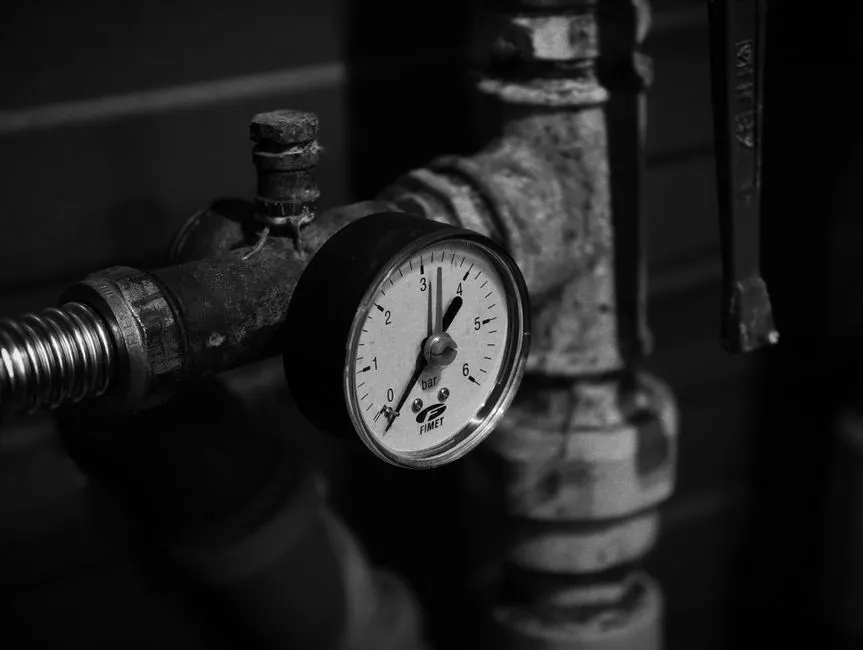
You can test this with a simple hose bib pressure gauge-about $15 at any hardware store. Screw it onto an outdoor spigot, open the valve, and read the needle. If you see below 40 psi, the PRV may be stuck or set too low. A plumber can adjust or replace it in under an hour.
5. Incorrect pipe sizing in the new system
This is less common but serious. If the repipe used pipe that is too small for the fixture load-say, 1/2-inch PEX feeding a bathroom group that really needs 3/4-inch-you will get low pressure at those fixtures. This usually shows up as weak flow at the farthest fixture from the main.
PEX has a smaller inside diameter than copper of the same nominal size. A repipe that swaps 3/4-inch copper for 3/4-inch PEX can reduce flow by 10 to 15 percent. A qualified plumber sizes lines based on fixture units, not guesswork.
6. A hidden leak in the new system
If a fitting was not crimped or soldered correctly, water may be escaping underground or inside a wall. That leak drops pressure at every fixture. You might see a damp spot on the floor, hear water running when nothing is on, or notice your water bill spike.
Shut off every fixture in the house and watch your water meter. If the low-flow indicator is still spinning, you have a leak. Call a plumber for water leak detection Cleburne TX before the damage spreads.
How do I fix low water pressure in Cleburne TX?
Start with the easiest checks and work toward the harder ones. Most homeowners solve this in under an hour.
- Purge air from the system. Open all faucets, starting low and finishing high. Run hot and cold for five minutes each.
- Clean every aerator and showerhead screen. Unscrew, rinse, reinstall.
- Verify all shutoff valves are fully open. Main valve first, then under every sink and behind every toilet.
- Test pressure with a gauge at an outdoor spigot. Normal is 50 to 70 psi. Below 40 means a PRV issue.
- Check for leaks. Turn off all fixtures and watch the water meter's low-flow dial.
If those five steps do not restore pressure, the problem is inside the system-pipe sizing, a failing PRV, or a hidden leak. That is when you want a pro.
We handle repiping Cleburne TX and post-repipe diagnostics every week. Our team can pressure-test the system, camera the lines if needed, and confirm whether the issue is a simple clog or something that needs a fitting replaced.
What to watch out for after a repipe
Some pressure drops are normal for the first 48 to 72 hours. Air works its way out, and debris settles. But certain signs mean you should call immediately.
- Water hammer. A loud bang when you shut off a faucet means air or a loose pipe strap. It can damage fittings over time.
- Rusty or discolored water that does not clear. New copper can leach a small amount of sediment for a day. If it persists past 72 hours, something is wrong.
- Pressure that drops at only one fixture. That points to a clogged aerator or a failing fixture valve, not the repipe.
- Pressure that drops everywhere at once. That is a main line, PRV, or hidden leak issue.
- Water bill spike. A jump of 20 percent or more with no change in usage usually means a leak.
One more thing: if your repipe was done with PEX, you may notice slightly lower flow at fixtures compared to the old copper. That is normal and usually not a defect. PEX has a smaller inside diameter. If the drop is severe, the pipe size was likely undersized.
We also see homeowners in older Cleburne neighborhoods-particularly around the 1940s and 1950s bungalows near the courthouse square-who repipe and then discover their main water line from the meter to the house is still the original galvanized pipe. That line can crush pressure even after a full interior repipe. If your pressure was low before the repipe and is still low after, the main line is the likely culprit. A water pipe replacement Cleburne on that main line often solves it.
When to call a professional
Call a plumber if you have purged the air, cleaned the aerators, opened every valve, and still have low pressure after 72 hours. Also call if you see any of these:
- Pressure below 40 psi on a gauge test
- Water meter spinning with all fixtures off
- Water hammer that persists
- Discolored water past three days
- Any damp spot on a wall, floor, or ceiling near a repiped line
Cleburne Trailcrest Plumbing handles post-repipe pressure problems across Johnson County. We diagnose the cause, fix it, and test the system before we leave. If you need emergency plumber Cleburne TX service after hours, we can be there the same day.
Frequently Asked Questions
Why is my water pressure low after repiping in Cleburne?
Trapped air, debris in aerators, or a partially closed valve cause 90 percent of post-repipe pressure drops. Purge all faucets for five minutes, clean every aerator, and verify the main valve is fully open. If pressure stays low past 72 hours, call a plumber.
How do I fix low water pressure in Cleburne TX?
Open every faucet low-to-high for five minutes to clear air. Unscrew and rinse all aerators and shower screens. Confirm the main shutoff and fixture valves are fully open. Test pressure at an outdoor spigot-normal is 50 to 70 psi. If it stays below 40, call a pro.
Can repiping cause low water pressure in Cleburne?
Yes, temporarily. The repipe process introduces air and loosens sediment that clogs screens and valves. It can also expose an undersized pipe run or a failing pressure-reducing valve. Most cases resolve within 72 hours with flushing and cleaning.
Who do I call for low water pressure in Cleburne?
Call a licensed plumber who handles repipe diagnostics. Cleburne Trailcrest Plumbing serves all of Johnson County and can pressure-test your system, camera the lines, and fix the cause-usually in one visit. Same-day and after-hours service is available.
Get help with plumbing in Cleburne
Low pressure after a repipe is frustrating, but it is almost always fixable. We diagnose the cause, restore your pressure, and make sure the new system performs the way it should.
Call Cleburne Trailcrest Plumbing at (682) 468-2111. We serve Cleburne and the surrounding Johnson County area with same-day appointments and upfront pricing.